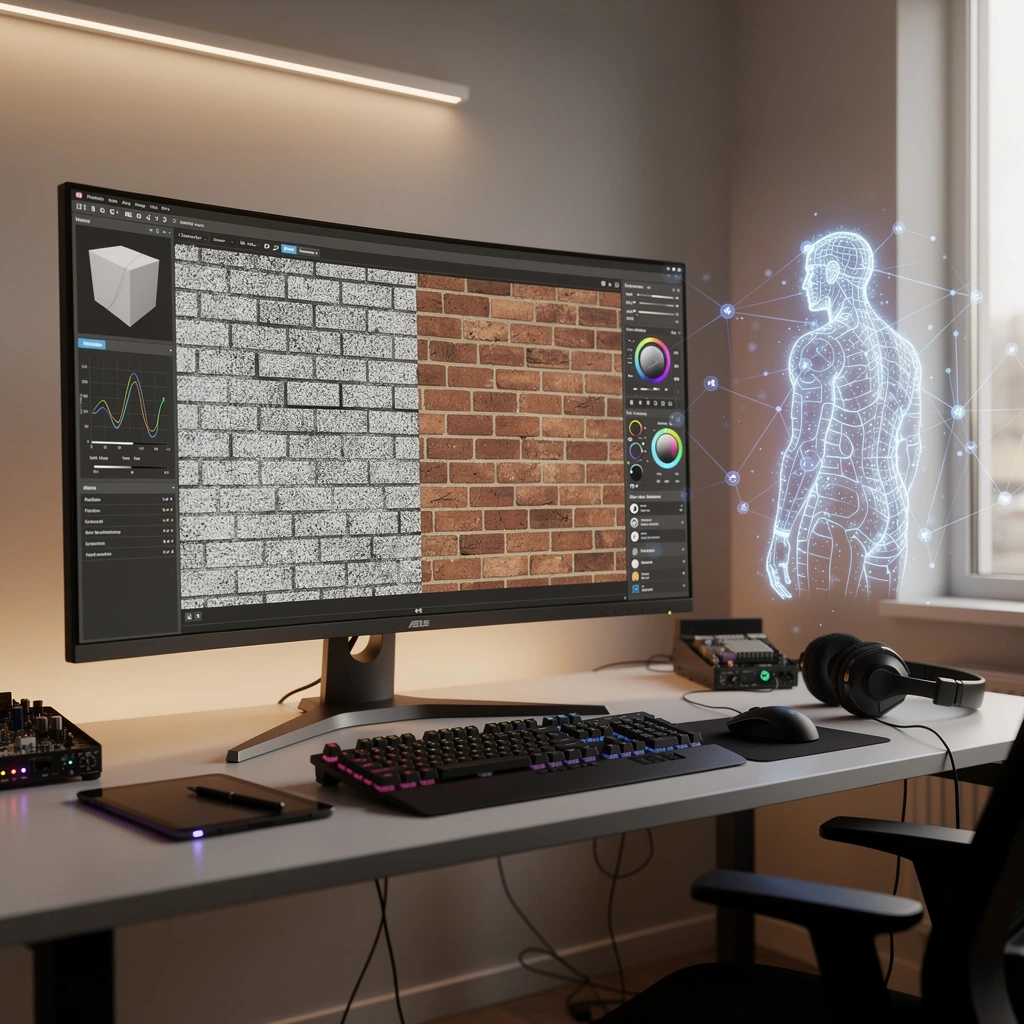
Last year, I spent three days creating a tileable brick texture for an indie project I was working on. Three days. Between photographing real bricks, correcting perspective distortion, cleaning up the images in Photoshop, generating normal maps, and tweaking everything until it tiled seamlessly, I probably invested 20 hours of work. Last month, I generated something comparable in about fifteen minutes using AI texture tools.
That tells you everything and nothing about where we are with AI generated textures in game development.
The technology is real, it’s here, and it’s already changing workflows in studios both large and small. But like most revolutionary tools, the reality is messier and more nuanced than the hype suggests. Let me walk you through what’s actually happening with AI texture generation based on what I’ve seen, tested, and heard from developers actually shipping games.
What We’re Actually Talking About
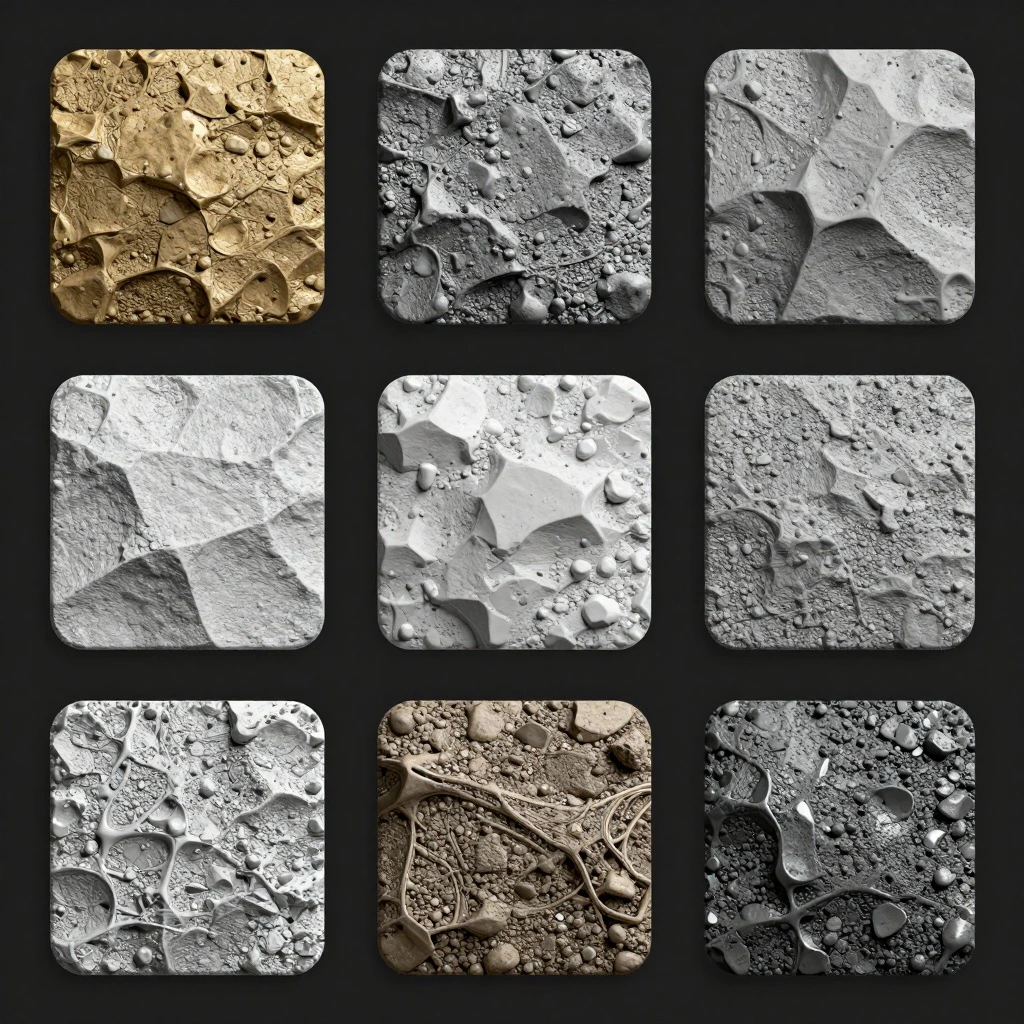
AI-generated textures use machine learning models trained on massive datasets of existing textures and materials. You describe what you want “weathered oak planks” or “sci-fi metal plating with rust” and the system generates texture maps that can be applied to 3D models in games.
These aren’t just diffuse color maps either. Modern AI texture generators can create the full set of PBR (physically based rendering) maps that game engines need: albedo, roughness, metallic, normal maps, ambient occlusion, and height maps. Everything required for realistic material representation.
The technology builds on the same underlying concepts as image generation tools you’ve probably heard about, but specialized for the specific requirements of game textures seamless tiling, consistent lighting, and the technical constraints of real-time rendering.
The Tools Game Developers Are Using
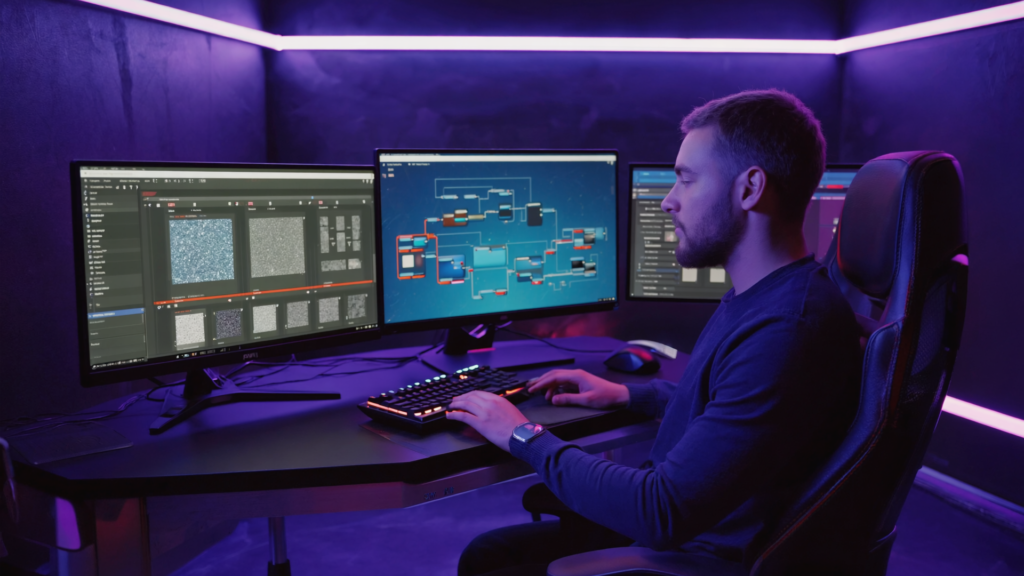
I’ve experimented with several AI texture platforms over the past eighteen months. Polyhaven started incorporating AI upscaling for their texture library. Substance 3D Sampler added AI powered features for turning photos into game ready materials. And newer platforms like Scenario and Ponzu.gg emerged specifically targeting game asset creation.
Each has different strengths. Some excel at photorealistic materials stone, wood, fabric. Others handle stylized or fantasy textures better. The key is that none of them work perfectly out of the box. They’re assistants, not replacements for actual texture artists.
I tested generating tileable stone textures for a dungeon environment recently. The AI gave me a solid starting point in minutes, but I still spent another hour refining the normal map intensity, adjusting color values to match my lighting setup, and fixing a couple spots where the tiling wasn’t quite seamless. Still, that’s way faster than starting from scratch.
Where This Actually Works Well
Rapid prototyping has been the biggest win in my experience. When you’re in the early stages of a project and need to test different visual directions quickly, AI texture generation is invaluable. You can try ten different stone types, see what works in your actual game environment, then either use the AI version or create a polished version manually.
Background elements and filler assets are another sweet spot. Not everything needs hand crafted perfection. If you need texture variations for distant rocks or background buildings, AI generation can populate your world much faster than traditional methods.
I’ve also seen it work beautifully for creating texture variations. Start with one hand-made hero texture, then generate variations with different weathering, color shifts, or damage patterns. This helps avoid the repetitive look that plagued older games where you’d see the exact same texture repeated endlessly.
Indie developers and small teams benefit enormously. A solo developer or tiny studio simply doesn’t have time to create hundreds of unique, high quality textures. AI tools level the playing field somewhat, letting small teams achieve visual variety that was previously only possible with large art departments.
The Quality Question
Here’s where I need to be honest: you can usually tell when a texture is AI generated if you know what to look for.
AI generated textures often have a certain “smoothness” to them, even when they’re supposed to be rough materials. The micro details don’t always follow physically accurate patterns. A rust texture might look convincingly rusty at first glance, but the corrosion patterns don’t necessarily form the way real oxidation would.
Stylistic consistency is another challenge. If you’re developing a game with a specific art style, AI tools can struggle to match it precisely. They’re trained on broad datasets, so they tend toward a kind of averaged-out aesthetic. Getting something that feels unique to your game requires significant manual refinement.
Tiling issues still crop up, though they’ve gotten much better. Early AI texture generators produced obvious seams or repetitive patterns that made the artificial tiling visible. Current tools handle this better, but it’s not foolproof you still need to check and often fix tiles manually.
How This Fits Into Real Workflows
No professional developer I know is just dropping AI textures directly into their games without any human involvement. The typical workflow looks more like this:
Generate several AI texture candidates. Review them in the actual game engine under real lighting conditions. Pick the best option, then refine it manually adjusting colors, tweaking normal map intensity, fixing any tiling issues, ensuring consistency with the overall art direction.
Sometimes textures serve as base layers that artists paint over. Sometimes they’re combined with hand-made elements or photographic sources. The AI generation is one step in a longer pipeline, not the entire process.
I talked to an environment artist at a mid-sized studio who uses AI texture generation for about 30% of their workflow now. They emphasized that it hasn’t reduced the need for skilled artists it’s just shifted what those artists spend their time on. Less time photographing bricks, more time on artistic decisions and refinement.
The Uncomfortable Questions
Let’s address the elephant in the room: AI texture models were trained on existing textures, many created by human artists. The copyright and ethical implications remain murky.
Some texture libraries explicitly allow AI training on their assets. Others don’t, and their materials may have been scraped without permission. If you’re working professionally, you need to understand the legal standing of any AI tools you use. Some studios have outright banned certain AI tools specifically because of unclear data provenance.
There’s also the question of whether widespread AI texture generation devalues the specialized skill of texture artistry. I’ve seen both sides of this argument in developer communities. Some texture artists feel threatened; others have embraced AI as a productivity multiplier that frees them for more creative work.
My take? The best texture artists aren’t going anywhere. What might shrink is the market for junior artists doing repetitive production work on generic materials. That’s a real concern for people trying to break into the industry.
What’s Coming Next
The technology improves constantly. I’ve noticed significant quality jumps in just the past six months. Better understanding of material properties, more convincing detail generation, improved style control.
We’re starting to see tools that can generate entire material libraries with consistent aesthetics across all textures basically, AI understanding art direction at a higher level. That’s genuinely useful for maintaining visual cohesion.
Real time texture generation might be next. Imagine textures dynamically generated based on gameplay conditions or player actions. A wall that shows realistic damage exactly where players hit it, with proper material response. We’re not quite there yet, but the foundational technology exists.
My Bottom Line
AI texture generation is a legitimate tool that’s already part of professional game development workflows. It’s not replacing skilled artists, but it is changing what they spend their time doing.
For indie developers and small teams, it’s a godsend that enables visual quality previously out of reach. For larger studios, it’s a productivity tool that accelerates asset creation pipelines.
The results aren’t perfect, and they require human judgment and refinement. Anyone claiming you can just AI-generate an entire game’s textures and ship it is either lying or hasn’t actually tried to make a good-looking game.
Treat AI texture generation like any other tool in your development kit. It’s incredibly useful for certain tasks, less so for others, and it works best in the hands of people who understand both the technology and the artistry of texture creation.
Frequently Asked Questions
Can AI generate textures for any art style?
AI works best with realistic or semi realistic styles since that’s what most training data includes. Highly stylized or unique art styles require more manual refinement or may not work well with current AI tools.
Are AI generated textures legal to use in commercial games?
It depends on the specific tool and its licensing terms. Some platforms provide commercial licenses, while others have restrictions. Always verify the license before using AI textures in released products.
Do AI textures perform differently than traditional textures in games?
No, once generated, they’re just standard image files. Performance depends on resolution and compression, not how the texture was created.
How much do AI texture generation tools cost?
Pricing varies widely from free tools with limitations to subscription services ranging from $10-100+ monthly depending on features and usage limits.
Will AI texture generation replace texture artists?
Unlikely. The technology augments artist workflows rather than replacing them. Skilled artists remain essential for quality control, refinement, and creative direction.